

As temperatures begin to drop in Northeast Kansas, homeowners start thinking about furnaces, thermostats and ways to keep heating costs under control. But one part of the home that can have a major impact on comfort during the colder months is often overlooked: the windows.
Older, damaged or poorly sealed windows can allow heated air to escape while cold outdoor air makes its way inside. That can leave rooms feeling drafty, forcing your heating system to work harder and make it more difficult to keep your home comfortable throughout the winter.
October is a great time to take a closer look at your windows and determine whether they are ready for colder weather.
Why Do Older Windows Lose Heat?
Windows naturally create a break in your home’s insulated exterior. Modern windows are designed to reduce heat transfer through features such as insulated glass, improved seals and more efficient frame materials.
Older windows may not provide the same level of protection.
Over time, window components can also begin to wear down. Caulking may crack, seals can fail and frames may shift or deteriorate.
When that happens, warm indoor air can escape while cold air enters around the window.
Even small gaps can make a noticeable difference when temperatures stay low for long periods of time.
1. Drafts Around Your Windows
One of the easiest signs of an inefficient window is a noticeable draft.
On a cool day, stand near your windows and check whether you can feel cold air coming through the frame.
Pay particular attention to:
- Window edges
- Corners
- Areas around the sash
- Spaces between the frame and wall
A draft does not automatically mean the entire window needs to be replaced. In some cases, worn weatherstripping or damaged caulking may be responsible.
However, persistent drafts can also indicate that the window itself is no longer providing the insulation your home needs.
2. Rooms That Are Difficult to Keep Warm
If one room always seems colder than the rest of your home, the windows could be part of the problem.
Older windows can create cold spots near exterior walls, particularly during windy weather.
You may notice that your heating system keeps the center of the house comfortable while bedrooms, living rooms or other spaces with multiple windows remain chilly.
If adjusting the thermostat does not solve the problem, it may be worth having your windows evaluated for air leaks or efficiency issues.
3. Condensation Between the Glass
A little condensation on the inside surface of a window does not always indicate a serious problem. Indoor humidity and outdoor temperature differences can sometimes cause moisture to form.
However, moisture or fog trapped between panes of glass is different.
This can indicate that the seal around an insulated window has failed.
Once that seal fails, the window may no longer insulate as effectively as it was designed to.
You might notice:
- Foggy glass
- A cloudy appearance
- Moisture between panes
- Condensation that cannot be wiped away
A failed seal often means the insulated glass is no longer performing properly.

4. Rising Heating Costs
There are many reasons a heating bill may increase, from colder weather to changes in energy prices. But inefficient windows can also contribute.
When heated air escapes through drafts or poorly insulated glass, your furnace has to run more frequently to maintain the temperature you have set.
That extra workload can result in higher energy use throughout the winter.
Replacing inefficient windows will not eliminate heating costs, but improving the exterior envelope of your home can help your heating and cooling system maintain indoor temperatures more efficiently.

5. Cold Glass and Window Frames
During cold weather, stand near your windows and carefully feel the glass and surrounding frame.
Older single-pane windows can become extremely cold because there is very little insulation between the indoor and outdoor temperatures.
That cold surface can make the area around the window feel uncomfortable even if air is not actively leaking through it.
Modern replacement windows often use multiple panes of glass with insulating space between them to reduce heat transfer.
If your windows are decades old, upgrading them may improve both comfort and efficiency.
6. Cracked or Deteriorating Frames
A window can only perform as well as the frame surrounding it.
Look for signs of deterioration such as:
- Cracks
- Rotting wood
- Soft areas
- Warping
- Peeling or damaged finishes
- Gaps between the frame and wall
Damaged frames can allow air and moisture to enter the home and may make it harder for the window to close properly.
If the damage is extensive, replacing the window may be a better long-term solution than repeatedly repairing the frame.
7. Windows That Will Not Close or Lock Properly
Windows should close securely and create a tight seal.
If a window is difficult to close, does not sit evenly in the frame or cannot be locked, it may leave small openings where outside air can enter.
This can happen as the frame shifts, components wear out or the window itself becomes warped.
Aside from improving comfort, properly functioning windows also contribute to the security of your home.
Can You Improve an Older Window Without Replacing It?
Sometimes.
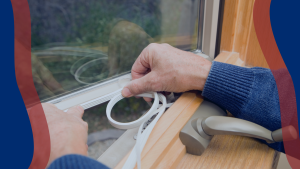
If your windows are still in good overall condition, a few maintenance steps may help reduce drafts before winter.
These can include:
- Replacing worn weatherstripping
- Applying new exterior caulk
- Repairing minor frame damage
- Making sure locks and latches close tightly
- Using curtains or insulating window coverings
These solutions can help with minor problems, but they may not correct issues caused by failed seals, severely damaged frames or outdated single-pane windows
When Does Window Replacement Make Sense?
Replacing windows may be worth considering when multiple problems are happening at the same time.
For example, replacement may make sense if your windows:
- Are noticeably drafty
- Have failed seals
- Are difficult to open or close
- Show significant frame damage
- Have single-pane glass
- Frequently develop moisture problems
- Are several decades old
New replacement windows can improve more than appearance. They can also help create a more comfortable home and provide better protection against changing outdoor temperatures.
Why October Is a Good Time to Check Your Windows
You do not want to discover a serious draft during the first freezing night of winter.
October gives homeowners an opportunity to identify window problems while temperatures are still relatively mild.
Take a few minutes to walk through your home and look for drafts, damaged frames, failed seals and windows that no longer operate correctly.
Catching these issues now gives you time to decide whether a simple repair will work or whether replacement should be considered.
Keep Your Home More Comfortable This Winter
Your furnace is only one part of keeping your home warm.
Your roof, siding, insulation, doors and windows all work together to help separate the comfortable air inside your home from the colder temperatures outside.
If your windows are old, damaged or noticeably drafty, they may be making your heating system work harder than necessary.
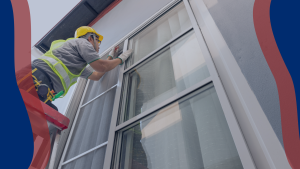
The team at Mesler Roofing, Siding & Windows can help homeowners throughout Northeast Kansas determine whether their windows are still performing properly or if it may be time to consider replacement.
Addressing problem windows before winter arrives can help make your home more comfortable throughout the colder months ahead.