
Summer weather can be tough on a Kansas roof. Heat, wind, heavy rain, hail, and thunderstorms can all take a toll, even when the damage isn’t obvious from the ground.
By September, the most severe summer weather may be behind us, but colder temperatures are getting closer. That makes early fall an ideal time for homeowners to find small roofing problems before they have several more months to get worse.
A roof that appears fine from the driveway can still have loose shingles, damaged flashing, exposed fasteners, or other vulnerabilities. Having those issues addressed now can help protect your home when fall rain, winter wind, ice, and snow arrive.
Summer Storm Damage Isn’t Always Obvious
When hail breaks a window or a tree limb lands on the roof, homeowners know there is a problem. Other types of storm damage can be much more difficult to spot.
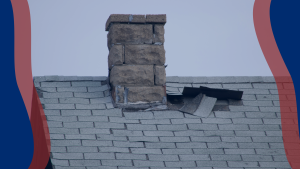
Strong wind can loosen or lift shingles without completely removing them. Hail can damage the surface of a shingle without creating an immediate leak. Flashing around vents, chimneys, and roof penetrations can shift. Heavy rain can also reveal weaknesses in areas where shingles, sealants, or drainage systems have started to deteriorate.
In many cases, roof damage doesn’t immediately result in water dripping from the ceiling.
That is why the weeks following summer storm season are a good opportunity to take a closer look at your roof.
If you suspect damage, Mesler Roofing, Siding and Windows provides professional roof repair and roofing services throughout Northeastern Kansas.
Look for Changes in Your Shingles
You do not need to climb onto your roof to notice some common warning signs.
Stand safely on the ground and look at the overall roofline. Are any shingles visibly missing? Does one section look different from the surrounding roof? Are shingles curling, lifting, or sitting unevenly?
You may also notice shingles or roofing material on the ground after strong winds.
A few damaged shingles may seem minor, but your roofing system works as a whole. When wind or weather creates a vulnerable area, the next storm has an easier path to get underneath the roofing material.
Addressing a small area of damage may help prevent a much larger repair later.
Check Ceilings and Attic Spaces for Signs of Moisture
Not every roofing problem can be seen from outside.
Inside your home, look for new water stains, discoloration, peeling paint, or damp areas on ceilings and walls. If you have safe access to your attic, pay attention to signs of moisture around roof penetrations and the underside of the roof decking.
A small stain shouldn’t automatically be ignored simply because it is dry when you find it. Water can travel along framing or other materials before becoming visible inside the house.
Finding the source early is important because moisture problems rarely improve on their own.
Don’t Forget About Flashing
Some of the most important parts of your roofing system are also some of the easiest to overlook.
Flashing helps direct water away from vulnerable areas such as chimneys, roof valleys, skylights, vents, and places where different roof sections meet.
When flashing becomes loose, damaged, or separated, water may be able to work its way beneath the roofing system even when the shingles themselves are still in good condition.
This is one reason a professional roof inspection can identify issues that may not be visible during a quick walk around the property.
Your Gutters Can Provide Clues About Your Roof
Your gutter system can sometimes tell you what is happening above it.
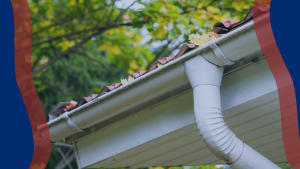
If you notice an unusual amount of shingle granules collecting in your gutters or near the downspouts, your shingles may be experiencing wear. Gutters that have pulled away from the fascia, become clogged, or were damaged during storms can also interfere with proper drainage.
Water should move off the roof, into the gutters, through the downspouts, and away from the house.
If that system isn’t working correctly, water can collect around roof edges, fascia, siding, and the foundation.
Mesler also provides gutter installation and replacement services for homeowners who discover that their drainage system needs attention.
Fall Gives You Time to Address Problems Before Winter
One of the biggest advantages of inspecting your roof in September is simply timing.
Waiting until winter to discover a leak can make an already frustrating situation more complicated. A problem that could have been addressed during mild weather may become more urgent after repeated rain, freezing temperatures, or winter storms.
Early fall gives homeowners an opportunity to understand the condition of their roof and determine whether repairs are needed before harsher weather arrives.
It can also help answer an important question: does the roof need a repair, or is it beginning to reach the point where replacement makes more sense?
That decision depends on several factors, including the roof’s age, overall condition, previous repairs, storm damage, and how widespread the problem is.
Start Fall Knowing What’s Over Your Head
Your roof protects nearly everything underneath it. September is a good time to make sure it made it through another Kansas summer ready for the seasons ahead.
If you have noticed missing shingles, signs of moisture, storm damage, or anything else that has you questioning the condition of your roof, don’t wait for a small problem to announce itself with a major leak.
Contact Mesler Roofing, Siding and Windows to have your roof evaluated and determine the right next step for your home.