
When homeowners think about preparing their houses for winter, they usually focus on their heating systems, windows, doors, and roofs.
Siding doesn’t always get the same attention.
But the materials covering the outside of your home do more than improve its appearance. Along with the layers underneath, siding helps protect exterior walls from rain, wind, and changing weather conditions.
Across Northeastern Kansas, homes experience everything from summer heat and thunderstorms to freezing temperatures and winter winds. Sometimes all in the same week!
If your siding has become damaged or started showing signs of wear, colder weather may make existing problems more noticeable.
Here are a few things worth checking before winter arrives.
Cracks and Gaps Shouldn’t Be Ignored
One of the first things to look for is visible damage to the siding itself.
Walk around your house and examine areas where panels appear cracked, separated, loose, or broken.
Even relatively small gaps may allow wind-driven rain or moisture to reach materials underneath, depending on the siding system.
Changes in temperature can also cause some siding materials to expand and contract.
When panels are already damaged or improperly installed, those movements can make problems more noticeable.
A small crack doesn’t automatically mean an entire section of siding needs to be replaced.
However, it’s worth determining whether the damage is cosmetic or affecting the exterior’s ability to manage moisture.
Watch for Warped or Loose Panels
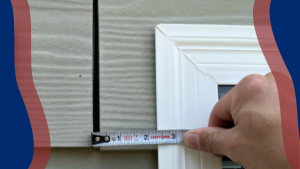
Siding should sit properly against the exterior of your home while allowing for the movement required by its material and installation system.
If you notice panels that appear bowed, warped, or unusually loose, something may no longer be functioning as intended.
These problems can develop for different reasons.
Long-term weather exposure, installation issues, impact damage, and moisture can all affect siding.
Strong Kansas winds may also expose loose sections that were previously difficult to notice.
If a panel rattles during windy weather or appears to be pulling away from the house, it’s worth having the area checked.
Ignoring loose siding may allow additional damage to develop over time.
Look for Signs of Moisture Damage
Some siding problems become noticeable through changes in color or texture.
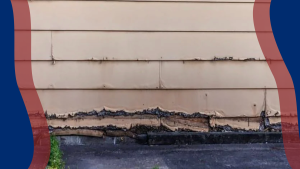
Depending on the siding material, homeowners may see staining, soft or deteriorating sections, swelling, or areas that appear to hold moisture.
Not every stain indicates serious damage.
Dirt, weather exposure, and normal aging can affect the appearance of exterior materials.
However, recurring moisture marks or visible deterioration deserve attention.
Pay particular attention to areas near windows, doors, roof intersections, and places where siding meets trim.
These locations have joints and transitions that need to be properly detailed to manage water.
If moisture is getting behind the siding, repairing the visible surface alone may not address the underlying issue.
Don’t Forget About Exterior Trim
Siding is only one part of your home’s exterior.
Trim around windows, doors, corners, and other transitions also plays an important role in protecting the structure.
Cracked caulking, damaged trim boards, and gaps around exterior openings can create opportunities for unwanted moisture intrusion.
During your evaluation, look at how the siding connects to surrounding materials.
Are pieces separating? Is paint peeling around trim? Are there visible signs of deterioration?
These details may seem minor, but they can help reveal areas that need maintenance.
Keeping the different parts of your exterior in good condition is important because they work together to help protect the home.
Fading Doesn’t Always Mean Replacement Is Necessary
Over time, nearly every siding material experiences some change in appearance.
Colors may fade after years of sun exposure, and surfaces may become dirty or weathered.
That doesn’t necessarily mean the siding has failed.
There is a difference between siding that looks older and siding that no longer performs properly.
For example, faded but intact panels may still be protecting the home as intended.
On the other hand, cracked, deteriorated, or improperly secured siding may need attention even if it still looks relatively new.
The decision to repair or replace siding should consider both appearance and condition.
Know When Repairs May Be Enough
Not every siding issue requires a complete exterior renovation.
If damage is limited to a small area, repairs may be an option depending on the siding material, the extent of the problem, and whether compatible replacement products are available.
More widespread damage may call for a different approach.
If siding is deteriorating across several walls, frequently coming loose, or allowing moisture problems to develop, replacement may deserve consideration.
A professional evaluation can help homeowners understand which option is more appropriate.
Mesler Roofing, Siding and Windows offers siding repair, installation, and replacement services, including options involving vinyl, fiber cement, and engineered wood siding.
Think About Your Home’s Entire Exterior
Your siding doesn’t protect your home by itself.
The roof, windows, doors, gutters, flashing, and underlying weather-resistant materials all contribute to managing water and weather exposure.
If you’re noticing several exterior problems at the same time, it may be worth looking at the bigger picture.
For example, staining on siding beneath a gutter could be related to overflowing water rather than a defect in the siding itself.
Similarly, damage near a window may involve both trim and surrounding materials.
Understanding how these components work together can help identify the source of a problem instead of only addressing the visible symptoms.
A Little Attention Before Winter Can Go a Long Way
Late fall is a good time to walk around your home and look for areas that may need attention.
Check for cracks, loose panels, damaged trim, unusual moisture marks, and sections of siding that no longer appear properly secured.
You don’t need to make an immediate decision about replacing your siding.
The first step is understanding whether the existing materials are still doing their job.
For homeowners throughout Northeastern Kansas, identifying exterior concerns before colder weather arrives can make seasonal home maintenance easier to plan.
If your siding is showing signs of damage or you’re considering an exterior update, contact Mesler Roofing, Siding and Windows to discuss repair and replacement options.
About Mesler Roofing, Siding, and Windows
For more than 40 years, Mesler has been the trusted name in roofing, siding, and window services across Eastern Kansas. From Johnson to Jefferson, Douglas to Wyandotte, we offer reliable, professional work that helps homes and businesses stand stronger and look better.
Ready to experience the Mesler Difference for yourself?
Call us today to schedule your consultation.
785-371-0000
info@meslerexteriors.com